

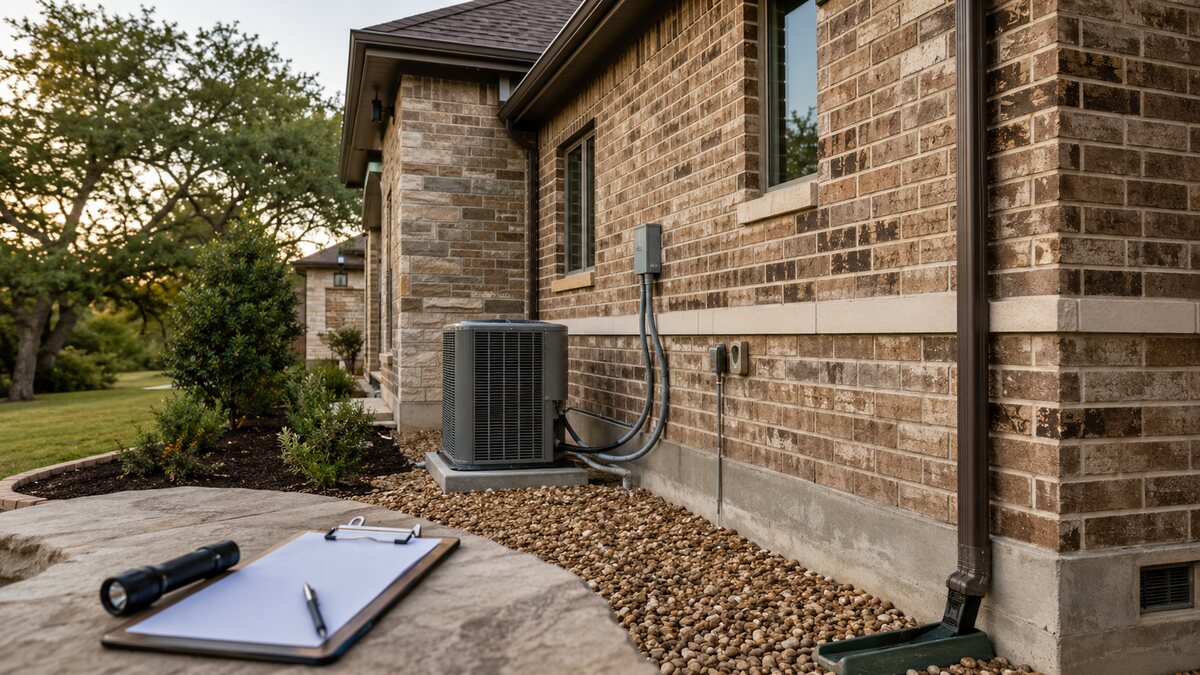
The best inspection preparation is safe access, functioning utilities, organized records, and honest condition information—not cosmetic concealment. A seller does not need to guarantee a defect-free report. The goal is to let the inspector evaluate accessible systems while reducing preventable confusion and delays.
Current Eaton listing choices: Florida and Texas sellers can choose $99 MLS Basic for essential seller-managed MLS entry, $499 FSBO Plus for more flexibility and support while managing the sale, or 1% Full Service for broker representation from pricing through closing.
What to organize before listing
| Item | Why it matters | Seller action |
|---|---|---|
| Utilities and access | Allow systems and spaces to be evaluated | Keep service on and clear panels, attic, crawlspace, and equipment |
| Keys and remotes | Provide access to structures and features | Label gates, garages, pools, and outbuildings |
| Repair and permit records | Explain prior work | Organize complete supporting files |
| Safety items | Reduce avoidable concerns | Address obvious trip, leak, or access hazards appropriately |
| Pets and occupancy | Protect people and animals | Plan removal or secure arrangements |
A practical preparation sequence
- Confirm utilities are on unless the contract directs otherwise.
- Clear reasonable access to electrical panels, HVAC, water heater, attic, crawlspace, and appliances.
- Replace ordinary burned-out bulbs and label special controls.
- Secure pets, valuables, medications, and sensitive documents.
- Prepare invoices, permits, warranties, and disclosure updates.
What not to do
Do not hide moisture, paint over evidence solely to conceal it, block access, disable equipment, or coach an inspector. If a new material issue appears, discuss the appropriate disclosure or repair response with qualified professionals.
Use facts—not promises
Give buyers accurate property-specific information and supporting records when available. Avoid predicting insurance terms, appraisal outcomes, repair costs, tax results, loan approval, or closing dates. Qualified professionals should evaluate technical, legal, financial, and title questions.
Choose the level of listing support you need
| Option | Included | Seller responsibility |
|---|---|---|
| 1% Full-Service | Seller representation, pricing guidance, MLS input, showing coordination, offer review and negotiation, and contract-to-close support. No upfront listing fee; the fee is paid only if the property sells. Cancellation is subject to the listing agreement. | The seller supplies property photos and makes property-specific decisions. |
| $499 FSBO Plus | MLS input and exposure only, without representation. | The seller supplies photos and handles calls, showings, offers, negotiations, contracts, disclosures, title, and closing. |
Buyer-agent compensation is separate from either listing option. It is optional and negotiable, and the seller chooses what, if anything, to offer. Read the buyer-agent compensation guide.
Review the complete offer
Price is only one part of an offer. Review financing, deposit, inspection rights, appraisal language, requested credits, title terms, occupancy, and closing date. Use our guide to compare offers beyond price and understand what happens after an offer arrives.
Use the Texas seller checklist. See how the process works or start your listing.
Explore our Texas home-selling services and confirm availability in your area on the coverage page.
Talk with a licensed broker
Call Stephen Eaton at 409-996-9999 or email stephen@theeatonco.com. Stephen is a licensed Florida real estate broker (BK3560755) and Texas real estate broker (License #539000).
This article provides general information, not legal, tax, insurance, inspection, engineering, title, association, or lending advice. Requirements and results vary by property, contract, and transaction. Consult the appropriate professionals about your circumstances.